Patient Perspectives on Naloxone Spur Changes
Stories - July 23, 2026

By Jill Pope, Communications Lead
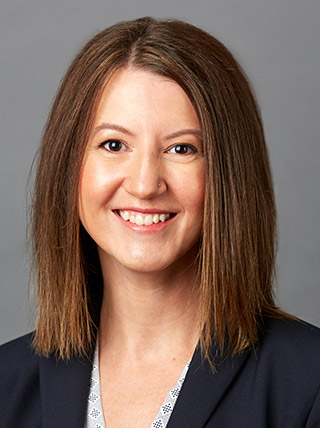 Bobbi Jo Yarborough, PsyD
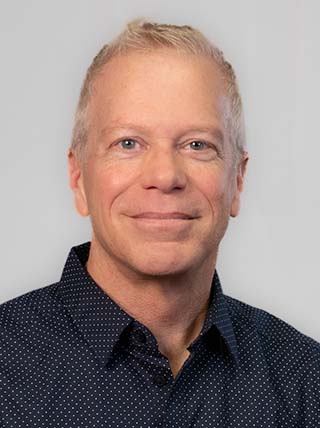 Scott Stumbo, MA
After rising steadily for several years, the U.S. has now seen opioid-involved overdose events decline. In 2023, 79,000 people died from opioid-related overdose. But by 2025, the number of deaths had dropped to 44,000, still an alarming statistic.
Naloxone, also known as Narcan, is a life-saving medication that can quickly reverse opioid-related overdose. Increased access to naloxone has been recognized as a major factor in reducing deaths from opioid overdose.
Health systems play a key role in prescribing naloxone. However, some people who are prescribed naloxone do not fill their prescription. CHR researchers recently conducted a quality improvement study in partnership with the Kaiser Permanente Northwest health care system (KPNW) to understand why and identify ways to improve access.
CHR Senior Investigator Bobbi Jo Yarborough, PsyD, and Scott Stumbo, MA, Collaborative Scientist III, conducted the study, published in The Permanente Journal, in partnership with Sarah Leitz, MD, a physician in KPNW’s Addiction Medicine Department, and Rebecca Boraz, MA, Clinical Consultant for National Mental Health & Wellness at Kaiser Permanente.
“This project is the result of a long-standing collaboration the research center has maintained with our partners in KPNW Addiction Medicine and [KP National] Program Office,” said Yarborough. “Over the past two decades, we’ve been fortunate to work together on several projects to reduce risks related to prescription or illicit opioid use—including overdose prevention—and improve access to medications to treat opioid use disorder. Collectively, these projects have made a meaningful impact for our members and our community.”
The new study is part of ongoing health system efforts to prevent opioid overdoses. In 2021, KPNW developed the Zero Overdose prevention model, which sought to increase naloxone awareness and access for patients at risk of overdose. One effort associated with the initiative was prescribing naloxone for members who may be at risk.
Members are considered high-risk if they meet one or more of the following criteria: receiving an opioid prescription dose of more than 50 morphine milligram equivalents, having a new diagnosis of opioid use disorder (OUD), having an existing OUD diagnosis along with a current opioid prescription, and history of an overdose.
Study authors identified about 7300 adult KPNW members with a naloxone order in their electronic medical record between September 2023 and September 2024. Within this group, 64.5% filled their prescription at a KP pharmacy. However, about 2,500 members did not fill the prescription. To learn more about why, CHR researchers invited these members to complete a web-based survey.
Among 478 survey responses received, the majority of respondents—57.5%--reported not getting naloxone at a KP pharmacy or elsewhere in the community. Their main reasons: 55.3% said they did not think they needed it; 14.9% were unaware their provider had recommended it; 13.1% said they were uncertain of its purpose. Respondents also cited cost concerns (7.3%) and being unfamiliar with naloxone (4.4%).
In open-ended responses, some patients explained more about why they did not pick up a naloxone prescription. The responses suggested a need for better provider-patient communication. Some respondents felt the prescription was inappropriate because they did not abuse drugs or spend time with drug users; some said they felt judged or treated “like a junkie,” or were offended by the prescription. “We still have a lot of work to do to reduce stigma in our communities and the broader medical system so that individuals can access the care they need without fear of condemnation,” says Yarborough.
When asked what KP could have done better, respondents said that it would have been helpful if their provider had discussed the prescription with them. Some said they would have liked an opportunity to learn why the provider recommended naloxone.
Study authors say these findings call for providers to deliver “clear, nonjudgmental communication about the risk for opioid-related overdose, even among people using their opioids appropriately, and education about the purpose of naloxone.”
In response to the findings, Kaiser Permanente has made key changes. First, the KPNW health system redesigned an alert providers receive during visits with a member at risk of overdose. The alerts prompt the provider to prescribe naloxone and give them talking points to facilitate a conversation with members about why they should fill it. While this alert existed before the recent survey, KPNW changed how the alert is triggered. Previously, the alert would fire if a member had not filled a naloxone prescription; now, based on results that showed most KP members fill a naloxone order once placed, the alert fires only when a member does not have an order. This change has reduced the fatigue providers can experience when they get too many irrelevant alerts.
Second, KP’s National Program Office implemented new online training modules on overdose prevention for KP providers and for pharmacists, including videos that model supportive conversations with patients about naloxone. Ms. Boraz, who helped create the trainings, explains, “Many providers were concerned about the time it took to explain overdose risk. Through the trainings we were able to show a meaningful conversation which explained risk of overdose and encouraged naloxone, for even a skeptical patient, could happen in less than 6 minutes.”
Health care systems play a key role in improving access to naloxone to prevent fatal overdoses, and KPNW will measure the effectiveness of its new strategies moving forward. In this study, CHR researchers delivered key patient insights to help our care delivery system partners improve access to a life-saving medication.
Naloxone is also available from pharmacies in all 50 states without a prescription.