Connect Study Seeks to Improve Men’s Participation in Research
Stories - May 18, 2026

By Jill Pope, Communications Lead
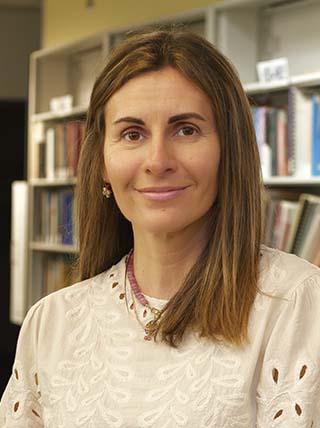 Dea Papajorgji-Taylor, MPH, MA
 Mark A. Schmidt, PhD, MPH
The Connect for Cancer Prevention Study is a large, National Cancer Institute-sponsored study that seeks to better understand the causes of cancer and how to prevent it. So far, the study has enrolled an impressive 92,000 participants from across the U.S. However, only about one-third of the study cohort are men –and that could limit what the study can learn about cancers affecting men, such as prostate cancer.
Kaiser Permanente Northwest (KPNW) is one of ten health care systems recruiting volunteers with no cancer history between the ages of 30 and 70 to join the Connect study. Led by Senior Investigator Mark Schmidt, PhD, CHR’s Connect research team has already recruited more than 14,000 KPNW members, but one of the study’s key goals is to enroll more men across all sites. Men’s participation is important because there are differences between the sexes that can have a large impact on cancer risk.
Connect is an observational study — meaning researchers follow participants over time to collect data, without intervening in their medical care. Connect aims to enroll 200,000 participants. Diverse representation across demographic groups is essential so that study findings are relevant to — and can benefit — people of all backgrounds.
CHR Collaborative Scientist Dea Papajorgji-Taylor, who recently led a qualitative research project to learn more about men’s participation in research as part of the Connect study, explains: “With Connect, we're examining various factors – participants’ behavior, environment, physical activity, diet, where they live, age, racial and ethnic background. Strong representation among men is essential to understanding the health and behavior patterns that may affect their cancer risk."
Ms. Papajorgji-Taylor recently interviewed male KPNW members who are Connect study participants as well as male KPNW members who were not enrolled in the study. Her goal was to learn directly from men how to better recruit and engage them in observational studies. The CHRonicle spoke with her to find out more.
Q: What did you learn about the best ways to approach men about joining a research study?
A: Some of the feedback was: “If men don't have the details about what participation takes, if they don't see it right away within the first 15 seconds, they’re going to lose interest.”
Participants also mentioned learning more about: “How can I make a difference? Why do you need me in particular?” They said, “if you're seeking me out specifically, I am more likely to consider reading the rest of your message because you're asking for my input, my help.”
Q: What did study participants say motivated them to join Connect?
A: Some participants cited altruism and family cancer history as key motivators. Many had been personally affected by cancer and felt a sense of civic responsibility to contribute to prevention efforts — a way of giving back and helping others avoid a similar experience.
Among motivated participants, non-White individuals especially understood the added value of being represented in research. They recognized that contributing individualized data is what makes personalized, culturally relevant care and findings possible.
Q: What keeps men from joining research studies?
A: Most participants confirmed what research has long shown: men are less engaged in their own health care and less likely to see a doctor. Asking them to go a step further — to volunteer time and personal information for a research study — requires even more effort. An additional barrier noted is avoidance: men who are not doing well health-wise may be reluctant to participate in something that could surface concerns they would rather not confront.
Q. What role does trust play in research participation?
A: The current information landscape presents a real challenge for research engagement. As people struggle to distinguish credible sources from misinformation — and grow increasingly uncertain about data privacy and AI — trust has become harder to earn. Participants want assurance that the source is legitimate, their data is protected, the intentions are genuine, and the findings won't be compromised. As scientists, we have to work harder than ever to demonstrate that our work is trustworthy and that we genuinely want to do good.
Ms. Papajorgji-Taylor and her colleagues plan to publish findings from this qualitative study in a peer-reviewed journal. She will also develop an internal practical guide for researchers on strategies for recruiting, engaging, and retaining men in research studies.